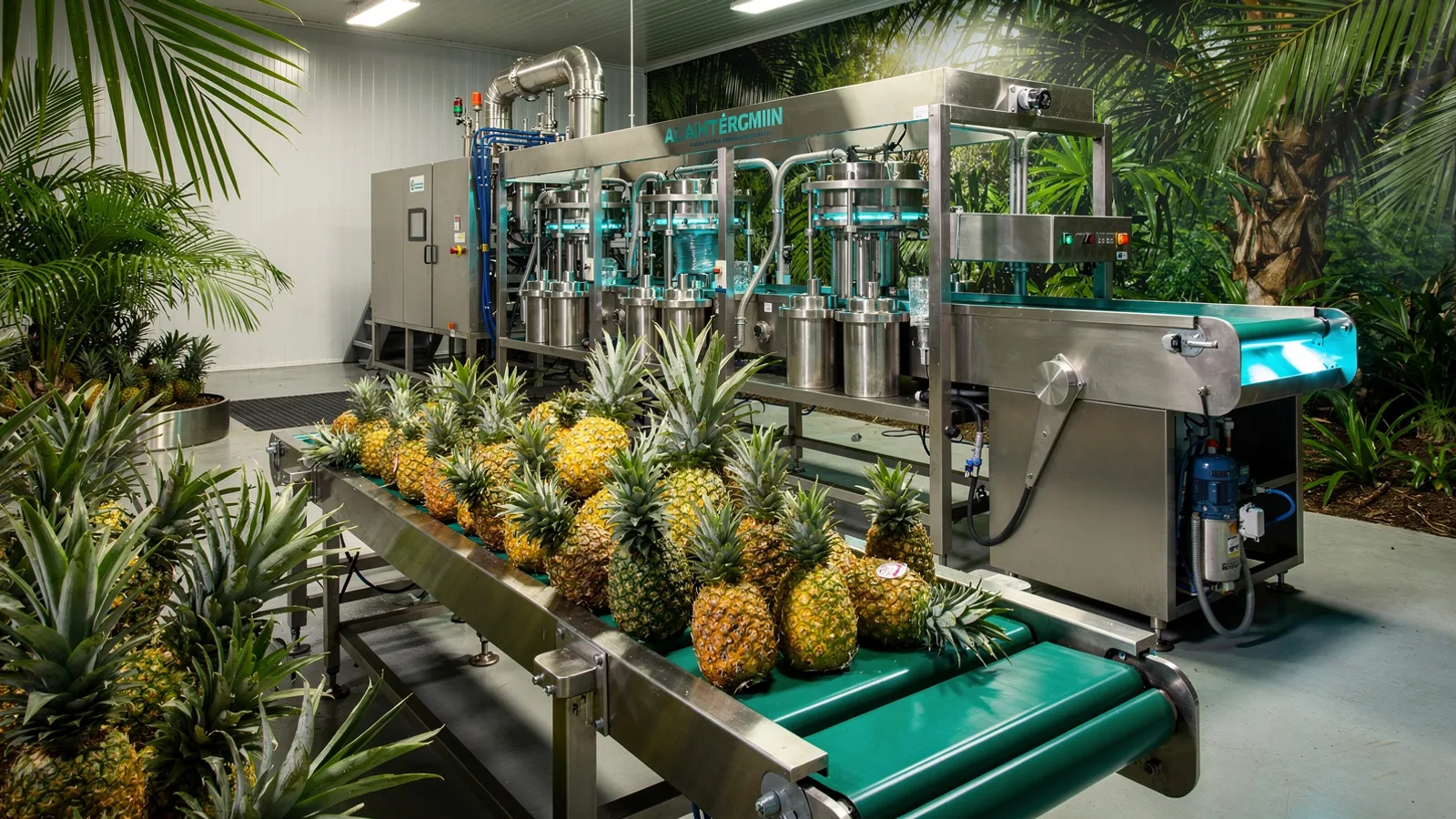
Bromelain for Precision Protein Hydrolysis
Solve tough protein-processing bottlenecks with bromelain: controlled proteolysis, broad operating range, and scalable bulk supply for B2B production.
Processing protein-rich raw materials can create bottlenecks across food, beverage, cosmetic, and pharmaceutical operations. Tough meat cuts, haze in beer, dense creams, and slow dissolution of active ingredients all share a common obstacle: resilient protein structures. Bromelain, a proteolytic enzyme from the stem of Ananas comosus (pineapple), offers a versatile enzymatic pathway to overcome these challenges. It selectively hydrolyses proteins under mild, controllable conditions, improving texture, clarity, and functional properties while reducing reliance on harsh chemicals or high-energy processes. Its practical operating window of pH 4.5–7.5 and 45–65 °C supports integration into marinades, brewing clarification steps, cosmetic exfoliation, and pharmaceutical formulations without major process redesign. Commercial grades are specified in GDU/g for consistent QC and predictable plant performance. For procurement and technical teams, bromelain delivers clear advantages: faster throughput, higher yield, improved sensory attributes, and compatibility with diverse formulation matrices. Whether deployed for meat tenderization, haze reduction, gentle exfoliation, or bioavailability enhancement, bromelain’s broad tolerance and proven performance make it a reliable choice for industrial-scale applications where consistency, control, and scalability matter.
Meat Tenderization and Marinade Systems
Bromelain hydrolyses collagen and myofibrillar proteins in beef, pork, and poultry, transforming tougher cuts into more manageable product streams. In industrial marinade or injection systems, it shortens tenderisation times at mild conditions, typically pH 5.5–7.0 and 45–60 °C. Dosage is optimised by substrate load, with trials starting low and adjusting until the target texture is achieved.
Brewing Chill Haze Control
Bromelain reduces haze-active proteins in beer that cause chill haze during storage. The aim is visual clarity while preserving foam stability. Breweries tune dose, contact time, and addition point to match recipe and filtration strategy, often operating at pH 4.5–5.5 and moderate temperatures for efficient, stable results.
Cosmetic and Skincare Formulations
In exfoliating masks and creams, bromelain gently removes dead keratinized cells to improve skin feel and product performance. It offers mild enzymatic action at pH 5–6, suitable for sensitive formulations, and integrates without mechanical abrasion, supporting premium skincare product positioning.
Pharmaceutical Processing Support
Bromelain is used in wound care formulations and as a bioavailability aid in oral drug delivery systems. Process conditions are tailored to maintain enzyme activity and meet the formulator's specifications.
| Parameter | Value |
| Activity range | 100,000 – 2,400 GDU/g |
| Optimal pH | 4.5 – 7.5 |
| Optimal temperature | 45°C – 65°C |
| Appearance | Light yellow to tan powder |
| Shelf life | 24 months (sealed, cool, dry place) |
| Packaging | 25 kg fiber drums / custom packaging |
Frequently Asked Questions
What is bromelain used for in industrial processing?
Bromelain is a proteolytic enzyme used to break down proteins in controlled industrial applications. Common uses include meat tenderisation, chill haze reduction in brewing, gentle exfoliation in cosmetics, and pharmaceutical processing for wound care or absorption enhancement. Its mild action and broad tolerance make it adaptable to many manufacturing setups.
How is bromelain dosed in different sectors?
Dosage varies based on substrate and desired effect. Meat tenderization may require 0.1–0.5 g/kg, brewing haze removal 2–10 mg/L, cosmetics 0.1–0.3% w/w. For pharmaceutical processing, dosing is formulation-specific. Pilot testing under actual process conditions is essential to optimise cost-in-use and ensure consistent performance.
Does bromelain operate over a broad pH and temperature range?
Yes. Bromelain typically works between pH 4.5–7.5 and 45–65 °C, giving manufacturers flexibility in integrating it into existing processes. This range supports applications from meat processing to cosmetics. Final parameters should be confirmed in pilot trials, as actual results depend on substrate composition and process details.
What are recommended storage and handling practices?
Store bromelain in sealed containers in a cool, dry place away from direct sunlight to maintain activity for up to 24 months. Use precautions against enzyme dust and avoid exposing it to excessive heat, extreme pH, or moisture ingress during storage and handling, which can reduce activity prematurely.
Is bromelain compatible with other processing aids?
Bromelain can be used alongside other additives, provided they do not denature proteins and block enzyme access. Compatibility with stabilisers, antimicrobials, or pH adjusters should be verified in trials to preserve its effectiveness and ensure final product quality.
Request Bulk Bromelain Supply
For manufacturers, distributors and resellers: send the product, quantity and destination country, plus your application. We reply within 24 hours with a grade suggestion, a quote and a sample with COA.
Request Quote